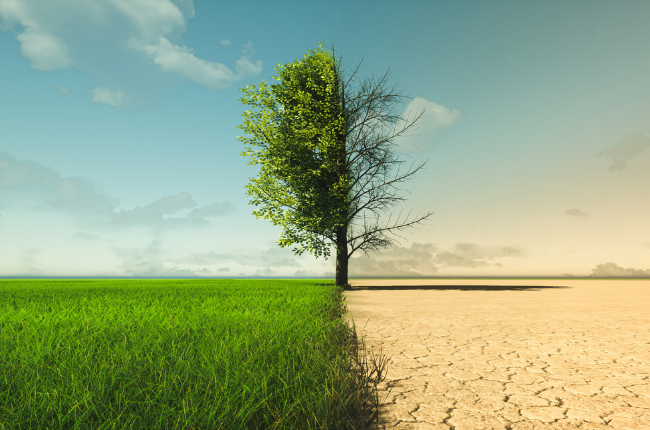
The Effects of Climate Change on Ecosystems
Climate change is not just a distant threat; it is a reality that is reshaping our planet's ecosystems. As temperatures rise and weather patterns shift, the delicate balance of nature is disrupted. Ecosystems, which are communities of living organisms interacting with their environment, are particularly vulnerable to these changes.
Altered Habitats
One of the most visible effects of climate change is the alteration of habitats. For instance, coral reefs, often referred to as the "rainforests of the sea," are suffering from bleaching due to rising ocean temperatures. According to the National Oceanic and Atmospheric Administration (NOAA), about 50% of the world's coral reefs have died in the last 30 years. This loss not only affects marine life but also the communities that rely on these ecosystems for their livelihoods.
Shifts in Species Distribution
As temperatures rise, many species are forced to migrate to cooler areas. A study published in the journal Nature found that over the past 40 years, species have moved an average of 11 kilometers toward the poles or to higher elevations. For example, the American pika, a small mountain-dwelling mammal, is struggling to survive as its habitat shrinks due to warming temperatures. This shift can lead to increased competition for resources and disrupt existing ecosystems.
The Impact on Wildlife
Wildlife is facing unprecedented challenges due to climate change. From altered migration patterns to changes in breeding seasons, animals are struggling to adapt to the rapid changes in their environments.
Migration Patterns
Birds are particularly affected by climate change, as many species rely on specific seasonal cues for migration. The Audubon Society reports that nearly half of North American bird species are at risk of extinction due to climate change. For instance, the common yellowthroat, a small songbird, is migrating earlier in the spring, which can lead to mismatches in food availability and nesting times.
Breeding and Feeding
Changes in temperature and precipitation can also affect breeding and feeding patterns. The polar bear, for example, relies on sea ice to hunt seals. As the Arctic ice melts, these bears are forced to swim longer distances to find food, leading to decreased survival rates. A study from the University of Alberta found that polar bear populations in some areas have declined by over 50% in the last few decades.
The Decline of Biodiversity
Biodiversity, the variety of life on Earth, is crucial for healthy ecosystems. However, climate change poses a significant threat to this diversity.
Extinction Risks
Many species are at risk of extinction due to changing climates. The International Union for Conservation of Nature (IUCN) estimates that around 1 million species are currently threatened with extinction, many of which are directly impacted by climate change. The golden toad, once found in the cloud forests of Costa Rica, is a poignant example. It was declared extinct in the late 1980s, largely due to climate-related changes in its habitat.
Loss of Ecosystem Services
Biodiversity loss can lead to a decline in ecosystem services, which are the benefits that humans derive from nature. For example, pollinators like bees are essential for food production. However, climate change is affecting their populations, leading to concerns about food security. A report from the Food and Agriculture Organization (FAO) highlights that around 75% of the world's food crops depend on pollination, making the decline of these species a critical issue.
Conclusion
The effects of climate change on ecosystems, wildlife, and biodiversity are profound and far-reaching. As we witness these changes, it is essential to recognize the warning signals that nature is sending us. By understanding the impacts of climate change, we can take action to protect our planet and its inhabitants.
"The Earth does not belong to us; we belong to the Earth." - Marlee Matlin
Let us heed nature's warning signals and work together to create a sustainable future for all living beings.
Post a Comment