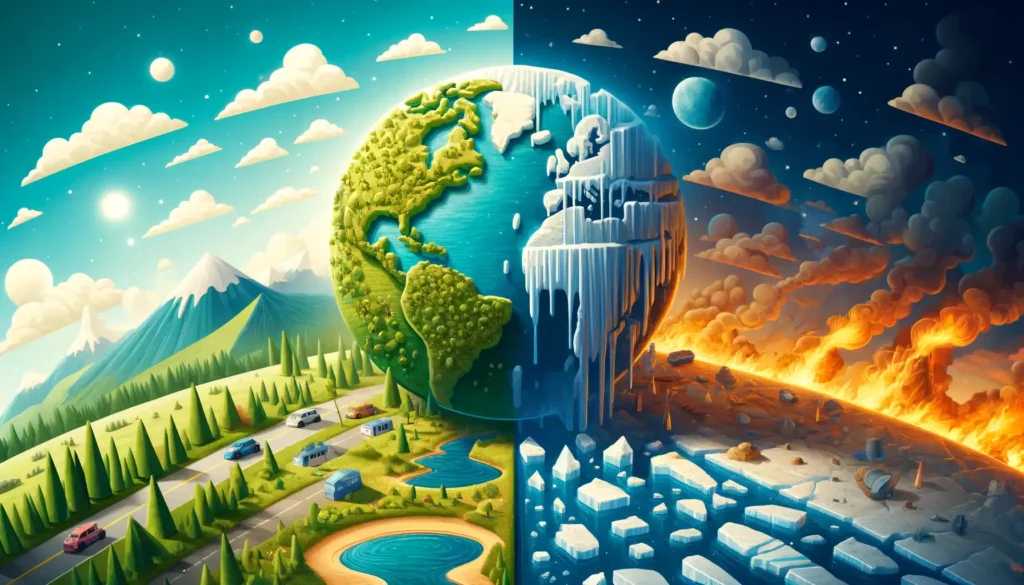
Global warming refers to the long-term rise in the average temperature of our planet. This increase is primarily driven by the accumulation of greenhouse gases in the atmosphere, which trap heat from the sun. The most common greenhouse gases include carbon dioxide (CO2), methane (CH4), and nitrous oxide (N2O).
Rising Greenhouse Gas Emissions
The industrial revolution marked a significant turning point in human history, leading to a surge in greenhouse gas emissions. Activities such as burning fossil fuels for energy, deforestation, and industrial processes have contributed to this rise. According to the Intergovernmental Panel on Climate Change (IPCC), the concentration of CO2 in the atmosphere has increased by more than 40% since the late 18th century.
Personal Insight: I often think about how my daily choices contribute to this problem. For instance, when I choose to drive instead of walk or bike, I realize I’m adding to the emissions that are warming our planet.
Severe Impacts of Global Warming
The consequences of global warming are becoming increasingly evident. From extreme weather events to rising sea levels, the impacts are far-reaching and affect ecosystems, wildlife, and human communities.
Heatwaves
One of the most immediate effects of global warming is the increase in the frequency and intensity of heatwaves. Regions that were once temperate are now experiencing scorching temperatures, leading to health risks, crop failures, and increased energy demands.
Example: In 2021, parts of the Pacific Northwest in the United States experienced a heatwave that shattered temperature records, reaching over 100°F (38°C) in places that typically enjoy milder summers.
Melting Ice Caps
Another alarming consequence of global warming is the melting of ice caps and glaciers. The Arctic region is warming at a rate nearly twice as fast as the global average. This melting contributes to rising sea levels, which threaten coastal communities around the world.
Data Point: According to NASA, the Arctic sea ice extent has declined by about 13% per decade since the late 1970s.
The Human Element
As we navigate the challenges posed by global warming, it’s essential to recognize the human stories behind the statistics. Many communities, especially those in vulnerable regions, are already feeling the effects of climate change.
Hypothetical Experience: Imagine living in a coastal town where rising sea levels threaten your home. The anxiety of potential displacement can be overwhelming, and it’s a reality for many people today.
"We are not just talking about numbers; we are discussing lives, homes, and futures."
Conclusion
Global warming is not just an environmental issue; it is a human issue that requires our immediate attention and action. By understanding the causes and effects of this phenomenon, we can begin to make informed choices that contribute to a healthier planet. Whether it’s reducing our carbon footprint, supporting renewable energy, or advocating for policy changes, every action counts. Let’s work together to combat global warming and protect our planet for future generations.
Post a Comment